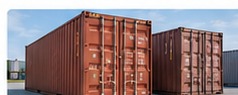
In 2026, a used 20ft shipping container typically costs about $1,250–$2,800 and a used 40ft about $1,700–$3,500 at the depot, depending on grade. One-trip (near-new) units run about $2,500–$4,400 for a 20ft and $3,700–$5,600 for a 40ft high cube. Delivery within 50 miles usually adds $350–$800, so compare delivered totals for your ZIP code, not box-only prices.
2026 price ranges by size and condition
These are container-only prices at the depot, before delivery and sales tax. They combine two published 2026 US price guides, checked on October 17, 2026. Where the guides differ, the table shows the wider range.
Wind and watertight (WWT) units keep weather out but are not certified for export shipping. Cargo-worthy units meet the standard for carrying freight and usually cost a few hundred dollars more. One-trip units have made a single voyage from the factory and look close to new.
| Size | Used, wind and watertight | Used, cargo-worthy | One-trip (near new) |
|---|---|---|---|
| 10ft standard | $1,900–$3,800 | $2,500–$4,500 | $3,500–$6,500 |
| 20ft standard | $1,250–$2,300 | $1,700–$2,800 | $2,500–$4,400 |
| 40ft standard | $1,700–$2,900 | $2,100–$3,400 | $3,700–$5,125 |
| 40ft high cube | $1,700–$3,200 | $2,100–$3,500 | $3,700–$5,600 |
What delivery typically adds
Tilt-bed delivery is usually priced by distance from the depot, and the price often includes the truck's return trip. Flatbed transport can be about $1 per mile cheaper, but you then need a forklift or crane on site to unload.
Put together, a used 20ft delivered within 50 miles and set on timbers typically lands around $2,200–$3,900 all in. A used 40ft high cube lands around $2,600–$4,600.
| Distance from the depot | Typical tilt-bed delivery |
|---|---|
| Under 50 miles | $350–$800 |
| 50 to 100 miles | $500–$1,000 |
| 100 to 200 miles | $700–$1,700 |
| 200 to 300 miles | $1,200–$2,000 |
| Over 300 miles | Often $3.50–$5 per mile, plus offloading |
- Railroad ties or timbers under the corners: about $100–$300.
- Crane or forklift hire for a difficult placement is quoted separately.
- Sales tax, card fees and remote-area surcharges vary by seller and state.
Build a budget in layers
A container price can mean collection from a depot or delivery to your property, and the difference matters. Ask which services are included before deciding that one seller is cheaper.
| Budget line | What to ask |
|---|---|
| Container | Exact size, type, grade and included accessories |
| Transport | Destination, truck method, fuel or remote-area charges |
| Unloading | Included placement or separately arranged equipment |
| Taxes and payment charges | Final invoiced amount |
| Site preparation | Access, drainage, support and any approval costs |
| Fit-out | Locks, shelves, moisture management and permitted alterations |
| Contingency | Known exclusions, waiting and failed-delivery terms |
Why two buyers receive different quotes
Distance from available stock is one variable; the local mix of sizes and conditions is another. A seller may have one format nearby and need to source another farther away. The unloading method and the difficulty of the site can also change the total.
Condition comparisons need care. A one-trip quote and an as-is quote are not competing offers for the same product. Ask for written grades, not just the labels new and used.
A sample budget using the ranges above
Say a used cargo-worthy 20ft is quoted at $2,400, delivery 40 miles from the depot at $550, railroad ties at $200 and a lock and shelving allowance of $300. Before sales tax or excluded charges, the project is $3,450. That is $1,050 more than the box-only price.
These figures sit within the ranges above but are only an illustration. Replace each line with a written quote. Keep allowances marked separately from confirmed figures so you know which parts are still uncertain.
Use the same request for every seller
Send the size and condition you want, delivery ZIP code, site photos and proposed position. Describe access restrictions and the unloading method you are considering. Give an honest timeline rather than asking for a generic best price.
Ask for a written delivered total, itemized exclusions and the quote's validity period. Record whether it includes a specific container, a grade from a pool, or a unit still to be sourced.
- Compare the same destination and container format.
- Record purchase and rental terms separately.
- Identify who supplies any crane or handling equipment.
- Ask what triggers waiting or failed-delivery charges.
- Confirm the deposit, balance timing and cancellation terms.
Where sensible savings come from
Consider a common size and a cosmetic condition that suits the job. A used unit may avoid paying for appearance that has little value in a working yard. Preparing an approved access route can reduce the risk of a wasted delivery.
If you need the space, compare a 40ft before buying two 20ft units. At the same grade, a 40ft typically costs 30–60% more than a 20ft for about double the floor area, and a high cube usually adds only $200–$500 over a standard 40ft.
Do not save by guessing about support, unloading or structural repairs. Ask whether flexibility on delivery timing or color changes the quote, then choose only concessions you can actually accept.
When to refresh the numbers
Refresh quotes when your location, size, condition, delivery plan or timing changes. Check the validity date before committing to site work based on an old offer.
Use the ranges on this page as a sense check, then plan with the written quotes for your project. A quote sheet captures the costs that apply to you and makes it easier to compare a replacement supplier if stock changes.
Common questions
How much is a 20ft shipping container?
In 2026 a used 20ft typically costs about $1,250–$2,300 wind and watertight or $1,700–$2,800 cargo-worthy at the depot. A one-trip 20ft runs about $2,500–$4,400. Delivery within 50 miles commonly adds $350–$800.
How much is a 40ft shipping container?
A used 40ft standard or high cube typically costs about $1,700–$3,500 depending on grade, and a one-trip 40ft high cube about $3,700–$5,600. A high cube usually costs only $200–$500 more than a standard 40ft at the same grade.
Why is my quote higher than these ranges?
Distance from the nearest depot with stock, the unloading method, local demand and taxes all change the delivered total. Ask the seller to itemize the quote so you can see which line differs.
Should I collect a container myself to save money?
Only compare collection if suitable transport, loading, unloading and responsibility are established. Include all of those costs before calling it a saving.
Sources & approach
Technical references and supplier guidance used for this guide. Recommendations and worked examples are EzyTrader’s editorial analysis; supplier-specific requirements still need confirmation.
- ContSize: US shipping container prices by size and grade (2026)
- Shipping-Containers.com: US container prices by size and condition (2026)
- CHS Container Group: shipping container delivery costs (2026)
- Eveon: delivery methods and site requirements
- Federal Trade Commission: shopping online
Images are illustrative, not available inventory. Read our editorial approach.