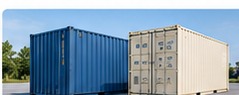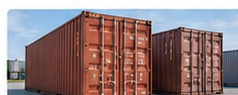
Choose the container around what you need to store and what your site can accept. Then compare written, delivered quotes for the same size and condition. A low container price is only useful if the delivery, access and condition also work for you.
1. Start with the job, not the listing
Write down what goes inside, how often you will access it, and how long you expect to need the space. A container for a short renovation is a different purchase from a permanent equipment store. Decide whether you need simple weather protection, frequent access, additional headroom, or a temperature-controlled space.
Make a rough floor plan with the largest items first. Include shelves, an access aisle and a place to turn or unload equipment. Space that is filled from floor to ceiling may look efficient on paper but can be frustrating when the item you need is at the back.
2. Choose size and condition together
Compare a 20ft, 40ft standard and 40ft high cube before looking at less common formats. A high cube adds height, not floor area. The door opening is smaller than the interior, so check the path your largest item must take.
For basic static storage, a used container with a written wind-and-watertight guarantee can be a sensible starting point. If appearance matters or you want to minimize existing wear, compare one-trip stock. International shipping requires a different conversation about survey, examination status and carrier acceptance.
- Measure the widest and tallest item, including attachments or packaging.
- Ask whether photos show the allocated container or a representative example.
- Get the condition standard and remedy for an unacceptable unit in writing.
3. Establish that delivery is possible
Measure the entire route from the road, including gates, corners, slopes and overhead obstructions. The container footprint is not the delivery footprint. A tilt-bed truck needs room to align, unload and leave; a crane delivery needs its own access and lifting plan.
Before ordering, send the supplier your measurements and clear site photos. Ask them to approve the method and door orientation. Confirm local placement requirements with the relevant authority and any property owner or association that controls the site.
4. Compare the full commitment
Ask each seller to quote the same size, condition and destination. Record delivery, unloading, taxes, payment charges and any waiting or failed-delivery charges separately. If renting, include collection, minimum term and damage responsibilities.
A supplier that explains limitations clearly is easier to evaluate than one that promises everything before seeing your site. Establish who handles transport problems and whom you contact if the container arrives with a defect.
| Ask for | Why it matters |
|---|---|
| Written condition description | Makes the promise specific |
| Delivered total and exclusions | Exposes costs beyond the box |
| Delivery method and access approval | Reduces failed-delivery surprises |
| Inspection and remedy procedure | Tells you what to do on arrival |
5. Prepare for acceptance
Arrange for an authorized person to be on site. Have the written order, agreed position and supplier contact details ready. Inspect the doors, seals, visible structure and floor before signing an acceptance record. Photograph the container and record concerns while the driver is present.
After placement, operate both doors and check that the support arrangement has not twisted the frame. Keep the order and photographs together for future reference. Your next task is planning ventilation, security and an accessible storage layout.
Common questions
Should I buy the cheapest container?
Compare total delivered cost and the written condition promise first. A cheaper unit can cost more after repairs, difficult unloading or a failed delivery.
Can I order before preparing the site?
Get the supplier's site and delivery requirements before paying, and have the placement area ready by the agreed delivery date.
Sources & approach
Technical references and supplier guidance used for this guide. Recommendations and worked examples are EzyTrader’s editorial analysis; supplier-specific requirements still need confirmation.
- Boxhub: buying a container, sizes and condition
- Eveon: delivery methods and site requirements
- Federal Trade Commission: shopping online
Images are illustrative, not available inventory. Read our editorial approach.