Read the written guarantee behind the grade. One-trip describes limited shipping use; wind and watertight describes weather protection; cargo worthy relates to transport suitability. None of these labels replaces inspection or a clear sales agreement.
The labels you will encounter
Sellers do not always use identical grading language. Ask what is promised about the roof, walls, floor, doors and frame, and what remedy applies if the delivered unit falls short.
| Label | Usual meaning | Do not assume |
|---|---|---|
| One-trip | Limited initial cargo use | Unmarked or never handled |
| Wind and watertight (WWT) | Protection from wind and rain under the stated guarantee | Current shipping approval |
| Cargo worthy (CW) | Structural suitability for cargo service under the seller's standard | A current survey is included |
| As-is | Sold in its present condition | Leak-free, functional or repair-ready |
| A / B / premium | Seller-specific description | A universal industry appearance standard |
Separate cosmetic wear from functional defects
Scratched paint, faded colors and dents can be acceptable if the agreed function is secure, dry storage. A door that will not seal or a damaged floor affects how you can use the unit. The most attractive photograph is not necessarily the best evidence of its condition.
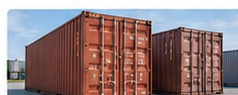
Ask whether the seller chooses the specific unit or lets you inspect it first. Where photos are representative, make sure you are comfortable with the written range of cosmetic variation rather than expecting the exact container in the image.
Shipping adds another layer of evidence
The IMO's container safety framework covers approval and continuing examination for international transport. A casual description of a unit as cargo worthy is not a substitute for confirming the documentation required for your shipment.
If export is your goal, involve your carrier or freight forwarder before buying. Ask about the survey, identification, plate and examination evidence they require, and whether any refurbishment or modification affects acceptance.
Questions that make a guarantee useful
A guarantee should explain both the standard and the practical response to a problem. A promise to supply a dry container leaves questions about transport charges, timing and the inspection process.
- Which specific defects are covered, and for how long?
- Does coverage start on delivery, and how are issues reported?
- Are cosmetic dents, surface rust and old repairs expected?
- Who pays transport if a unit must be replaced?
- What must be inspected or recorded before the driver leaves?
- Do alterations, repainting or relocation change coverage?
Choose the lowest grade that reliably meets the job
For ordinary stationary storage, start by comparing guaranteed WWT units with one-trip alternatives. Pay extra where the actual benefit matters: appearance, lower initial wear, an included survey or a particular door configuration.
As-is stock deserves a repair budget and competent inspection. Without those, the savings can disappear into transport, welding or disposal. Do not buy a defective unit on the assumption that every steel repair will be simple or economical.
Common questions
Is Grade A a standard specification?
Treat it as seller-specific unless the seller supplies an explicit standard. Ask for the actual condition criteria.
Can a used container still be a good purchase?
Yes, if its condition, guarantee, delivered cost and expected use align. Age alone does not answer those questions.
Sources & approach
Technical references and supplier guidance used for this guide. Recommendations and worked examples are EzyTrader’s editorial analysis; supplier-specific requirements still need confirmation.
- Container Management: shipping container grades
- Eveon: inspecting a used container at delivery
- International Maritime Organization: Convention for Safe Containers
Images are illustrative, not available inventory. Read our editorial approach.